
Editorial desk · Washington, D.C.
Write to the desk.
Have a news tip, a correction, or a question about our political coverage? Reach us using the form below or the details listed on this page. We read every message, though we can't always reply to each one.
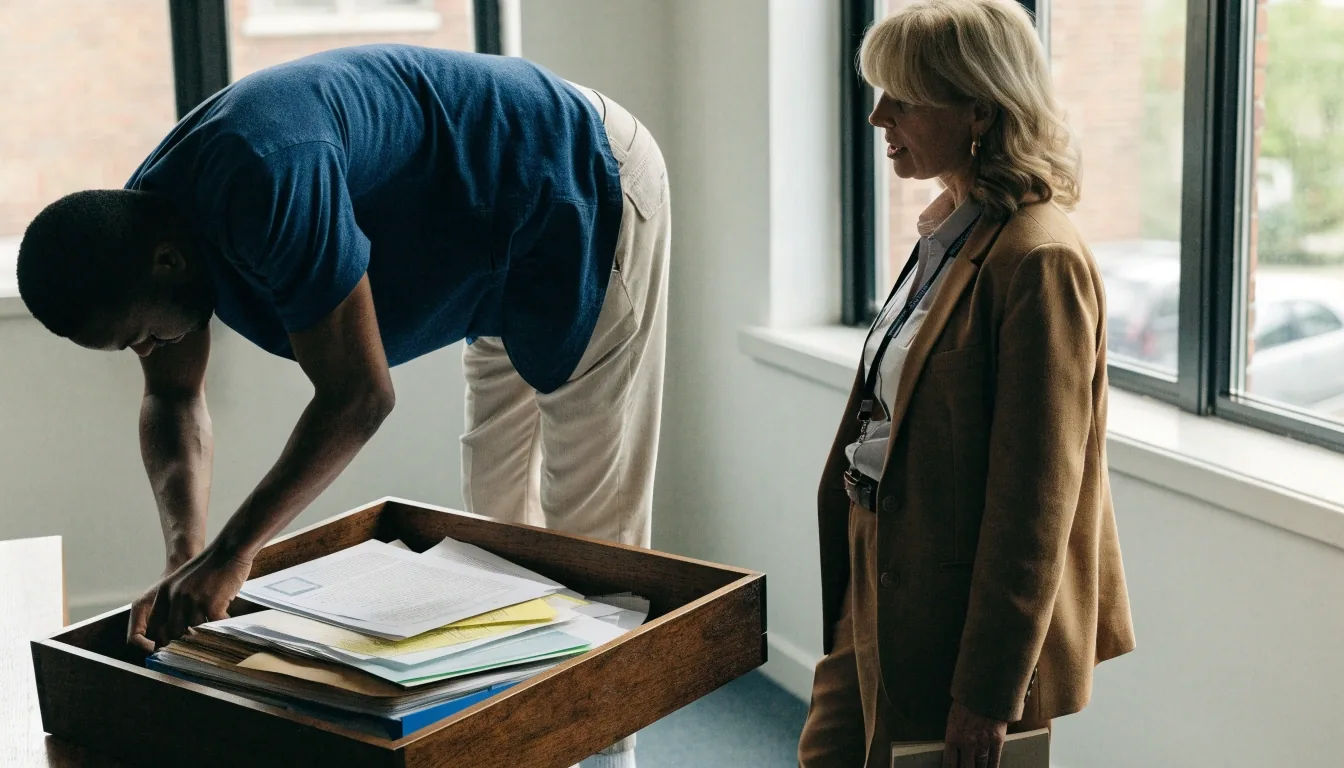
An editor reads first. Tips move slower than the wire — say how you know it.
Send it to the right desk
The form routes by topic, so a correction reaches the editor who handled the piece and a tip reaches the team that verifies it. Pick the closest match; if you're unsure, choose "coverage question" and we'll forward it.
We collect only what you send. Our privacy policy explains how messages are stored and who can read them.
News tips and sources
If you know something, say how you know it
If you have direct knowledge of a campaign, an agency decision, or an election procedure, we want to hear from you. Tell us what you know and how you know it, and include any documents that support it. If you need confidentiality, say so in your first message and we'll explain what we can protect. We don't publish information we can't verify, so details help.
Send us a news tip
What to include
- What happened, and the date it happened.
- How you came to know it — first-hand, document, or a source you trust.
- Documents that support it, or a description of what they say.
- Whether you need confidentiality, said in your very first message.
We work from Washington, D.C., which keeps us close to the federal agencies and court rulings that shape the 2026 cycle — but plenty of tips we act on come from county clerks, poll workers, and campaign staff well outside the Beltway.
Corrections and clarifications
Send the page and the passage
If you've spotted an error, send us the page, the specific passage, and what you believe is incorrect. Speed matters here, so a short, specific message is more useful than a long one.
How we handle it
Notes stay visible
Corrections are noted visibly rather than quietly removed, and we'll tell you what we changed. Facts change as the cycle moves, so an updated figure gets an editor's note on the page it appeared.
Disputing a fact
Bring the citation
For factual disputes, include a link or citation if you have one. We compare against the source documents we used. If the record is mixed, we say so.
Report a correctionGeneral inquiries and feedback
Questions shape what we cover next
Questions about our coverage, our editorial standards, or a topic you'd like to see explained are welcome. Reader questions often shape what we write next, especially when they point to a gap in how the midterms are being covered. If your question is about a specific race or rule, mention the state so we can point you to the right page.
You can also read the sections we keep updated through the cycle: Governor Races, Policy & Institutions, and Voting & Elections.
Ask a coverage questionWorking with us
Data from researchers and local reporters
We're open to hearing from researchers, local reporters, and organizations with data relevant to the 2026 cycle. If you have datasets on turnout, registration, or district-level polling, tell us what's in them and how they were collected. We evaluate data sources on methodology, not on who provides them. Coverage decisions stay with our editors.
- Methodology first
- Who collected it, when, the sample, and the margin of error if one was published.
- Provenance, not branding
- A dataset from a county office and one from a national group get the same checklist.
- Editorial autonomy
- Supplying data does not guarantee coverage. Editors decide what gets published.
What happens after you write
Four steps, and one honest caveat
Messages go to the editorial team, and tips with supporting details get reviewed first. We may follow up to confirm specifics or ask for documentation before anything is published. If your message is time-sensitive, note that in the subject line. Otherwise, expect a reply only if we need more information or plan to use what you sent.
-
1
Your message reaches the desk
The topic you picked sends it to the editor who handles that beat, rather than into one shared inbox everyone skims.
-
2
Tips with documentation move first
A tip that names a document, a meeting, or a person we can check is faster to verify than a tip that only describes a feeling about a race.
-
3
We may ask before we publish
Expect a follow-up if we need specifics, a document, or a second confirmation. Nothing goes out on a single unverified claim.
-
4
A reply only if there's a reason
We read everything. We don't send a form acknowledgment to each one — so if you don't hear back within a few days, it usually means we filed it, not that we dropped it.
Where we're based
Washington, D.C., and every precinct we can reach
Our editorial team works from Washington, D.C., which keeps us close to the institutions we cover. That doesn't mean we ignore state-level races; much of our reporting focuses on governor contests and local election administration across the country. Being based in D.C. mainly helps with access to federal agencies and the court rulings that affect the cycle.
- Address
- 1600 Pennsylvania Avenue NW, Washington, DC 20500
- Desk hours
- Monday to Friday, 9:00 AM – 6:00 PM ET
- Direct line
- +1 202-404-8104
The office sits in downtown Washington. Visitors are welcome by appointment — email [email protected] first.
Before you send
Three things readers ask most often, answered the same way we'd answer them by phone.

Can I send a tip anonymously?
Yes. Tell us in your first message if you need confidentiality, and we'll explain what we can protect and what we can't. Being clear about your situation at the start lets us decide how to handle the material before anything is shared inside the newsroom.
How quickly do you respond?
We read every message, but we reply mainly when we need more information or plan to use what you sent. Mark time-sensitive messages clearly in the subject line — during a filing deadline or an election week, those go to the top of the queue.
Do you accept data or research from outside organizations?
Yes. We evaluate datasets on methodology and provenance, and coverage decisions remain with our editors. A clear description of how the data was collected is more useful to us than a polished summary of conclusions.
Still deciding what to send?
Start with what you know and how you know it. If the details are thin, we'll tell you what would make the message stronger rather than guessing at the rest.
Prefer to write directly? [email protected] or call +1 202-404-8104 between 9:00 AM and 6:00 PM ET, Monday to Friday.