
Policy & Institutions
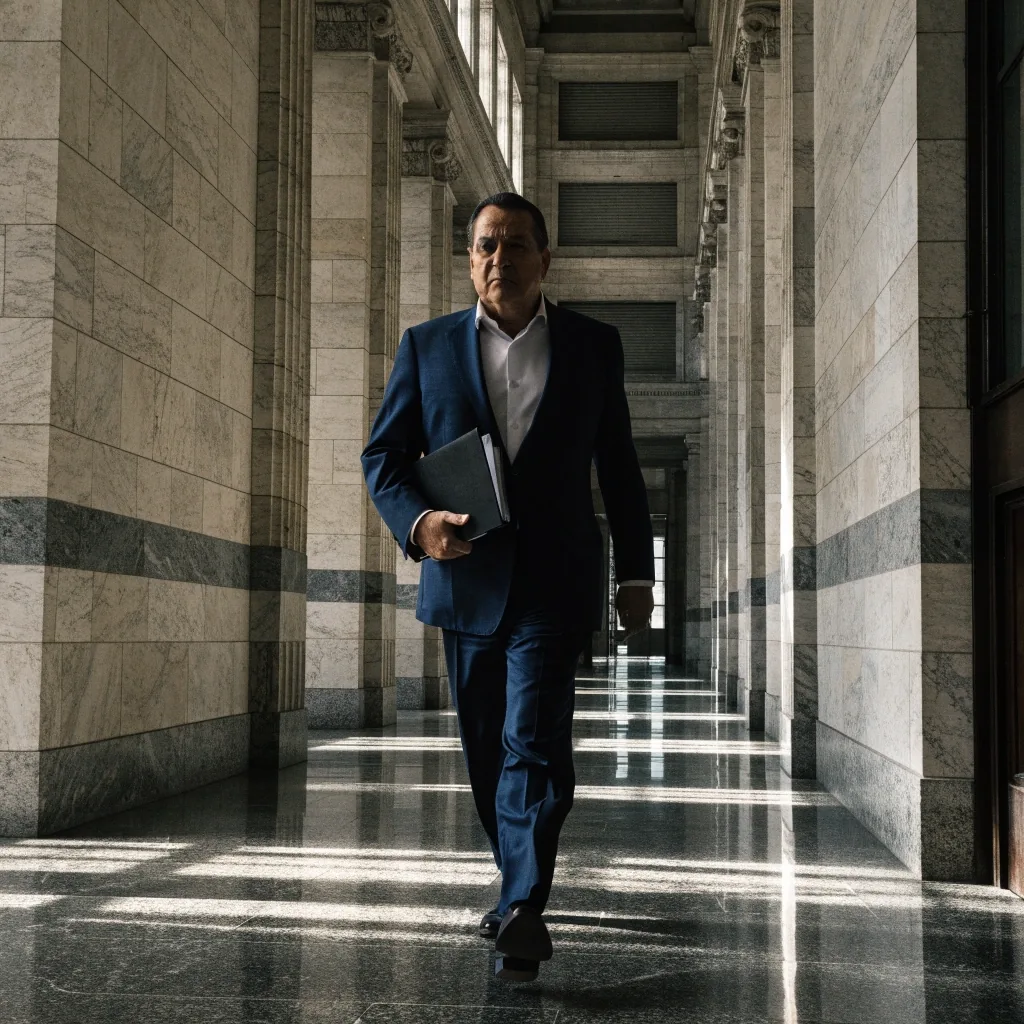
Policy fights and institutions shaping 2026
Beyond the campaign trail, 2026 is a year of institutional conflict. The Justice Department is under scrutiny, immigration enforcement is tied up in court, and AI regulation is moving from a tech story into a mainstream political debate. This page explains what is changing and what it means for the midterm cycle.
Three fights, one season
Institutional conflict in 2026 runs through the courts as much as the Capitol. Enforcement choices, regulatory drafting and oversight demands all end up in front of judges, and each ruling resets the terms candidates argue over in the fall.
Enforcement under review
Justice Department actions involving media and enforcement priorities face sustained scrutiny, and the question of how far a president can direct federal enforcement without Congress keeps returning to court.
Rules still being written
AI safety legislation is under discussion but faces gridlock, and immigration enforcement remains tied to debates over border control and due process. Neither topic is settling quietly before November 3.
Justice Department
The Justice Department under scrutiny
The department has been at the center of major political controversies in 2026, with one current theme being scrutiny over its actions involving media and enforcement priorities. Leadership decisions inside the department are drawing attention in political coverage, and civil rights and institutional independence are recurring concerns.
The question running through much of this coverage is how much a president can direct federal enforcement without Congress. Courts become the arena where that question gets tested, and each ruling adds a new set of facts for campaigns to argue over.

- Leadership decisions inside the department are covered as political news, not only as personnel news.
- Civil rights and institutional independence are the concerns raised most often in the coverage we follow.
- Congress remains the other half of the argument: what it authorizes, funds, or refuses to touch.

Immigration enforcement and the courts
Immigration remains a top issue in political coverage, and court fights and deportation disputes continue to make headlines. The issue is tied to broader debates over border control and due process, which is why legal challenges move quickly and often.
Candidates use immigration as a mobilizing issue across party lines, and it appears in races far from the border. We separate what is changing in enforcement policy from what is campaign messaging, because the two are rarely the same document.
What is changing in policy
Enforcement priorities, detention practice and procedural rules that agencies can adjust without new legislation.
What is campaign messaging
Ad language and stump promises that describe intent, not the administrative steps that actually move a case.
AI regulation moves into the mainstream
AI safety legislation is under discussion but faces gridlock, and Congress and the White House remain divided on the pace of regulation. Several lawmakers are staking out positions ahead of future legislation, which is unusual for a technology issue this early in the debate.
The topic is becoming a standard part of national policy coverage because it touches jobs, security and speech. We follow who is proposing what and where the real disagreements sit, rather than treating every proposal as equally close to becoming law.
Where the split actually sits
- Congress
- Committees are drafting, but floor movement is limited while the chambers stay divided on scope.
- The White House
- Executive guidance can shape agency practice well before any statute exists.
- States and courts
- State rules and early litigation are already setting practical limits that federal text has not caught up with.
Oversight and the limits of executive action
Oversight is where institutional conflict becomes visible: hearings, subpoenas and court challenges that test how far agencies can go. When Congress is divided, oversight often becomes the main tool the minority has to push back.
Hearings
Public questioning that forces an agency to state its reasoning on the record and creates quotable material for campaigns.
Rarely changes policy on its own
Subpoenas
Demands for documents and testimony. Compliance disputes usually move to court, which slows everything down.
Becomes a court schedule
Spending limits
Appropriations riders and funding restrictions narrow what an agency can do without ever passing a standalone bill.
Shows up in program detail
Litigation
Suits over procedure and authority that can pause enforcement or force agencies to rewrite how a rule works.
Sets the practical rule
That dynamic shapes what agencies can accomplish and how quickly. It also feeds directly into campaign messaging, since both parties use oversight fights to motivate voters heading into the fall.
Court challenges as a policy battleground
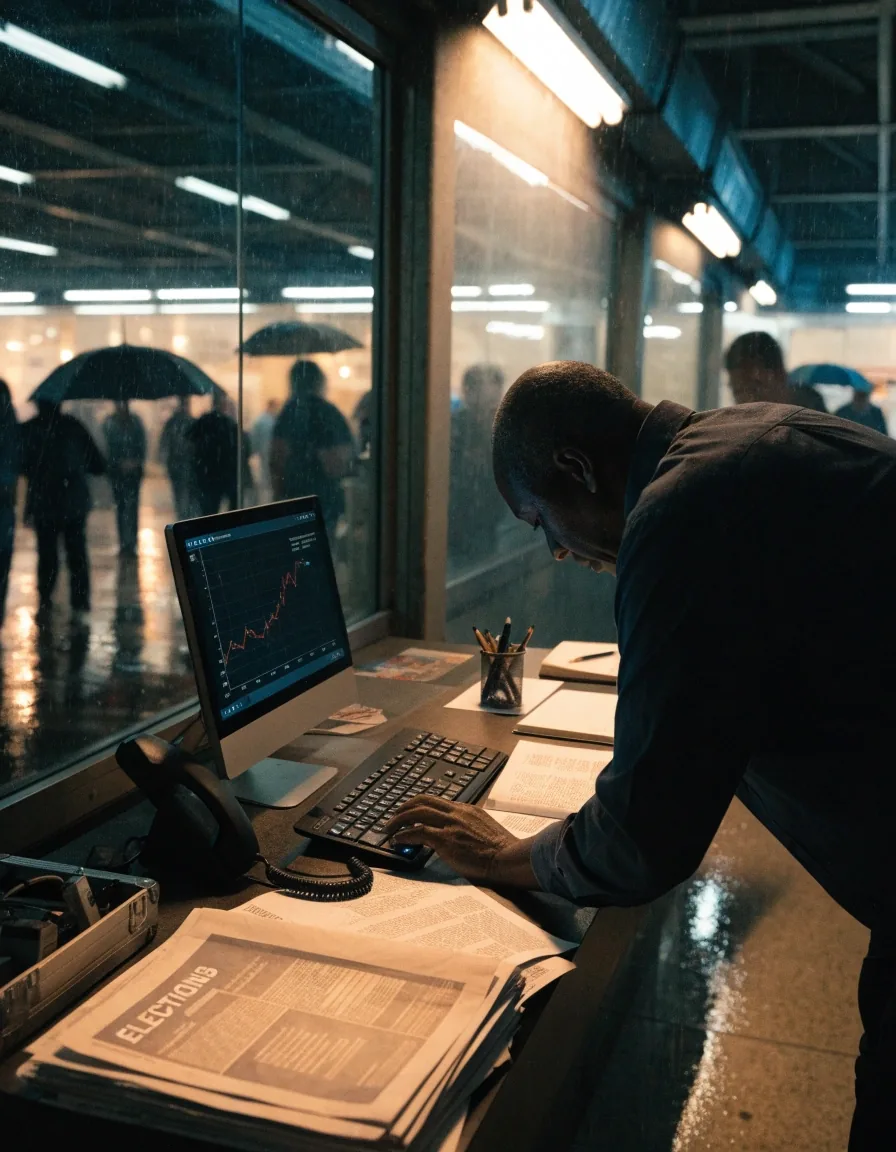
Court challenges have become a routine part of how policy moves forward, and 2026 is no exception. Rulings can pause enforcement, reshape agency priorities or force new procedures, and each decision creates a new set of facts for campaigns to argue over.
The pace of litigation means the policy landscape can shift between now and November 3. We track the cases that change the practical rules rather than only the ones that generate headlines, because a procedural decision can matter more than a dramatic one.
How these fights reach the campaign trail
Institutional fights do not stay in Washington. Immigration enforcement, AI rules and Justice Department actions all show up in district-level campaigning, often through ads that frame the issue in national terms.
Candidates use these debates to draw contrasts, and the fights give voters a way to judge a party's priorities. That is why policy coverage and election coverage are the same story this year.
- District ads borrow national framing even when the office is local.
- Court dates become campaign calendar dates.
- Both parties use oversight fights to motivate their own voters.
What to watch next
Watch the court calendars as closely as the campaign calendars. Rulings on immigration and enforcement will set the terms of debate heading into the fall, and any movement on AI legislation would change the policy picture quickly.
-
Court calendars
Rulings on immigration and enforcement
Decisions in these cases set the terms of debate heading into the fall, and appeals can extend the timeline past the election.
-
AI legislation
Movement on safety rules
Any real movement on AI regulation would change the policy picture quickly, so we flag proposals when they gain sponsors or a hearing.
-
Oversight actions
Escalate or fade
Oversight tends to escalate or fade depending on whether either party sees an advantage. We explain each development as it happens.
Common questions
Short answers to the questions readers send us most often about institutional and policy coverage this cycle.
What is the core conflict at the Justice Department?
Coverage centers on scrutiny over its actions involving media and enforcement priorities, along with leadership decisions and recurring concerns about civil rights and institutional independence.
Is any AI regulation actually moving?
AI safety legislation is under discussion but faces gridlock, with Congress and the White House divided on the pace of regulation. Several lawmakers are staking out positions ahead of future legislation.
Why does immigration keep appearing in court?
Immigration enforcement is tied to broader debates over border control and due process, and those disputes generate frequent legal challenges.
How do these fights affect the midterms?
They give candidates clear contrasts to campaign on and give voters a way to judge party priorities, which is why policy and election coverage overlap this cycle.
Follow the fights that change the rules
We explain each development in plain language, from Justice Department oversight to immigration enforcement and the debate over AI regulation. If a story matters to how the midterms are argued, it belongs here.
Reach the desk Monday to Friday, 9:00 AM – 6:00 PM ET at [email protected] or +1 202-404-8104. Our office is at 1600 Pennsylvania Avenue NW, Washington, DC 20500.